
NESE Technical Team • 14 July 2026
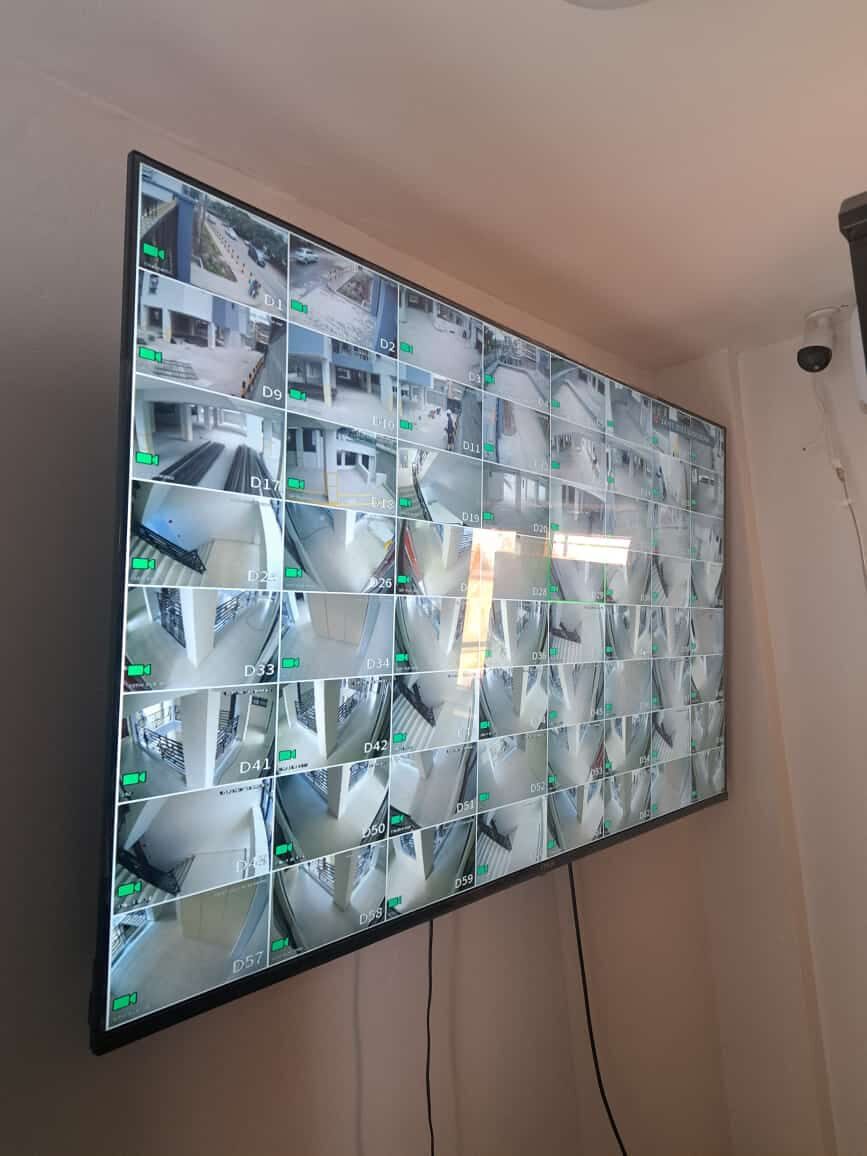
Most homeowners discover the limits of their CCTV system on the one night it matters. Footage is too dark, the camera was pointed at a wall, or nobody can find the recording. Choosing well up front avoids all three.
Start with coverage, not camera count
Walk your compound and list every way someone can get in: the main gate, the service entrance, the back window nobody uses, the parking area. Those are your camera positions. A well-placed four-camera system beats a poorly planned eight-camera one every time.
Choose resolution you can actually use
Resolution matters most when you need to identify a face or a number plate rather than just see that something moved. For gate and entrance cameras, go higher. For general area coverage, standard HD is usually enough and saves storage.
Do not overlook night performance
Most incidents happen after dark. Check infrared range and whether the camera position has any supporting light. Cameras behind glass or facing a security light often produce unusable footage.
Plan storage and remote access
Decide how many days of footage you want to keep and size the hard drive accordingly. Then make sure remote viewing is configured properly so you can check the property from your phone while travelling.
- 4 to 8 cameras suits most homes
- 14 to 30 days retention is a practical target
- Secure the system with a strong, changed password
- Test the mobile app before the installer leaves
If you would like a professional assessment of your property, our team can survey the site and recommend a system that matches your risk and your budget.